Fall Back This Weekend: Check Your Smoke and Carbon Monoxide Alarms
Clocks go back an hour on Sunday, November 1. Use that extra hour to test the alarms that protect your family.
Daylight saving time ends this Sunday, November 1. At 2:00 a.m. the clocks go back one hour, and most of us get an extra hour of sleep out of it.
Kerry has a simple ask for everyone in Seguin: spend a few minutes of that hour on your smoke and carbon monoxide alarms. When you change the clocks, check the alarms. It's an easy habit to tie to a date you already can't miss.
Test every alarm
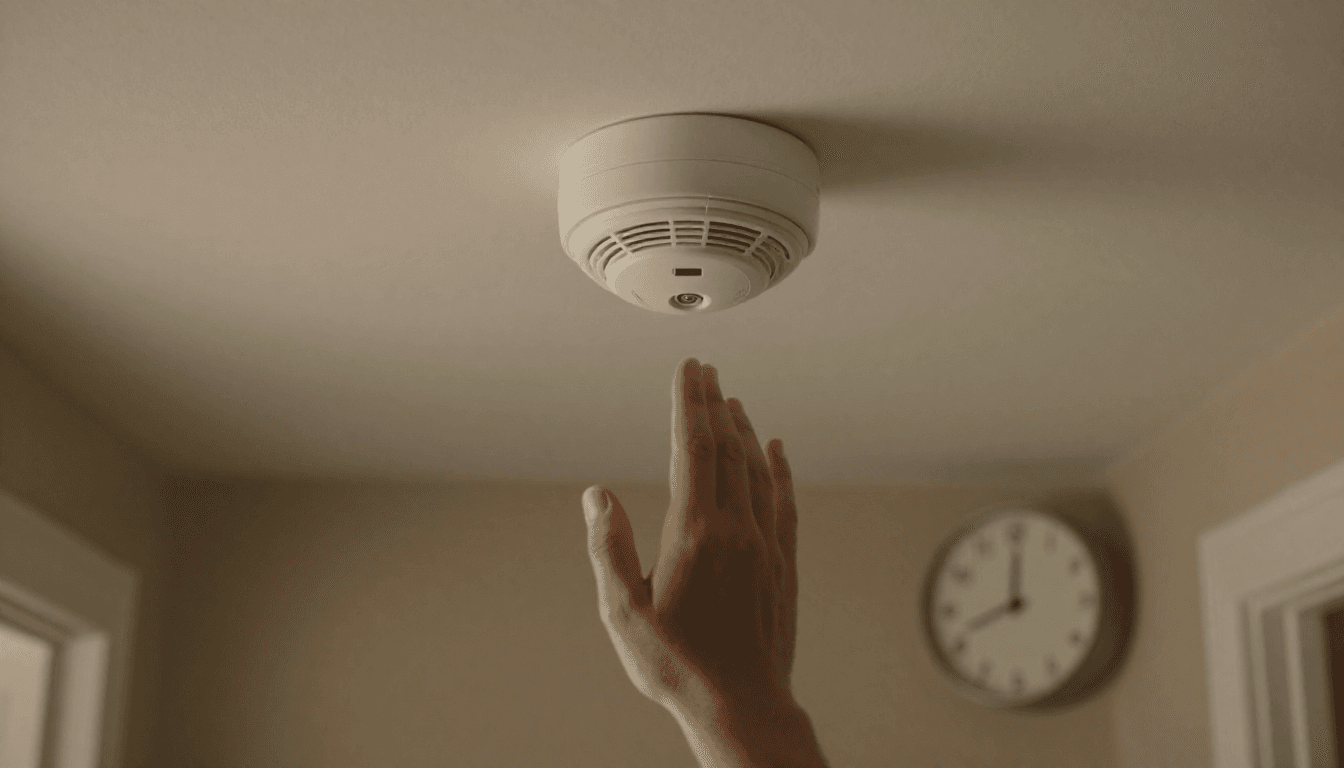
Press and hold the test button on each smoke alarm and each carbon monoxide alarm until it sounds. The U.S. Fire Administration and the Consumer Product Safety Commission both recommend testing once a month, so this weekend is a good place to start the routine.
If an alarm chirps every so often on its own, the battery is usually low. Replace it now instead of pulling the battery out to stop the noise.
Change the batteries
Replace the batteries in battery-powered alarms at least once a year. Hardwired alarms have a backup battery for when the power goes out, and that one needs replacing every year too. Newer sealed alarms with a 10-year battery don't need battery changes, but they still need testing.
Check the date on the back
Smoke alarms don't last forever. The U.S. Fire Administration recommends replacing the whole unit every 10 years, counted from the manufacture date printed on the back. If you take one down and it's older than that, or you can't find a date at all, it's time for a new one.
Carbon monoxide alarms wear out too. Check the label for the manufacturer's replacement date.
Make sure you have enough of them
- Smoke alarms belong inside each bedroom, outside each sleeping area, and on every level of the home, mounted on the ceiling or high on the wall.
- Carbon monoxide alarms belong on every level of the home and outside sleeping areas.
Why carbon monoxide matters this time of year
Carbon monoxide has no color and no smell, so an alarm is the only way most people will ever know it's there. It comes from anything that burns fuel: furnaces, gas water heaters, fireplaces, generators and cars.
The first cold nights of the year are when many Seguin homes fire up the heater for the first time in months, which makes this a good week to have working alarms. A few rules from the Consumer Product Safety Commission:
- Never run a generator, car or gas-powered tool inside a garage, even with the door open.
- Keep a generator outside and away from doors, windows and vents.
If a carbon monoxide alarm goes off, don't look for the cause. Get everyone outside into fresh air, call 911 from outside, and make sure everyone is accounted for. Don't go back in until the fire department says it's safe. Before you use the appliance again, have it checked by a qualified technician.
A word on your insurance
Working alarms protect the people in your home first. Some carriers also offer a discount for monitored smoke and fire alarms, so if you've upgraded your system, let us know and we'll check whether your policy reflects it.
Questions about your home coverage? Call us at (830) 379-7352 or stop by the office at 533 E. Court Street. And enjoy the extra hour.
Have questions about how this applies to your coverage? Walk in, call, or start a quote — we'll shop 30+ carriers.