Will Home Insurance Cover Frozen Pipes? A Seguin Freeze-Season Guide
Will Home Insurance Cover Frozen Pipes? A Seguin Freeze-Season Guide
Will Home Insurance Cover Frozen Pipes? A Seguin Freeze-Season Guide
A hard freeze does not have to last long to do damage. Water expands as it turns to ice, and a pipe that holds up through a cold night can split once things warm up and the water starts moving again. Then comes the question every homeowner asks: will my policy cover it?
We cannot answer that for you here, and nobody honest can without your policy in hand. Two homes on the same street can have different policies, different endorsements and different deductibles. What we can do is explain how these claims tend to be sorted out, so you know what to look for before you ever need it.
What policies often distinguish
Most homeowners policies draw lines, and the wording of those lines varies. Here are the ones worth finding in your own paperwork.
Sudden versus gradual. Many policies treat a sudden, unexpected event differently from damage that built up over time. A pipe that splits overnight is a different story on paper than a slow drip behind a wall that went unnoticed for months. How your policy words that difference is what matters.
The water damage versus the pipe. Some policies separate the damage the escaping water caused (to floors, walls, belongings) from the cost of repairing the broken pipe itself. Whether yours does, and how, is a question for the policy.
What you were expected to do. Policies commonly expect the owner to take reasonable steps to protect the home. For a freeze, that can include keeping the house heated, or shutting off and draining the water if you will be away. Some policies spell out conditions for a vacant or unoccupied home. If you travel for the holidays, read that section.
Where the water came from. Water that comes from inside your plumbing is usually handled separately from water that comes in from outside, such as rising water. Flood is commonly handled by a separate policy, so a frozen pipe and a flood are not the same conversation.
Your deductible. A small repair may fall under your deductible, so it is worth knowing that number ahead of time.
Getting your home ready
Preparation protects your house first. A few plain steps:
- Disconnect garden hoses and shut off the outdoor spigots if your home has a valve for them.
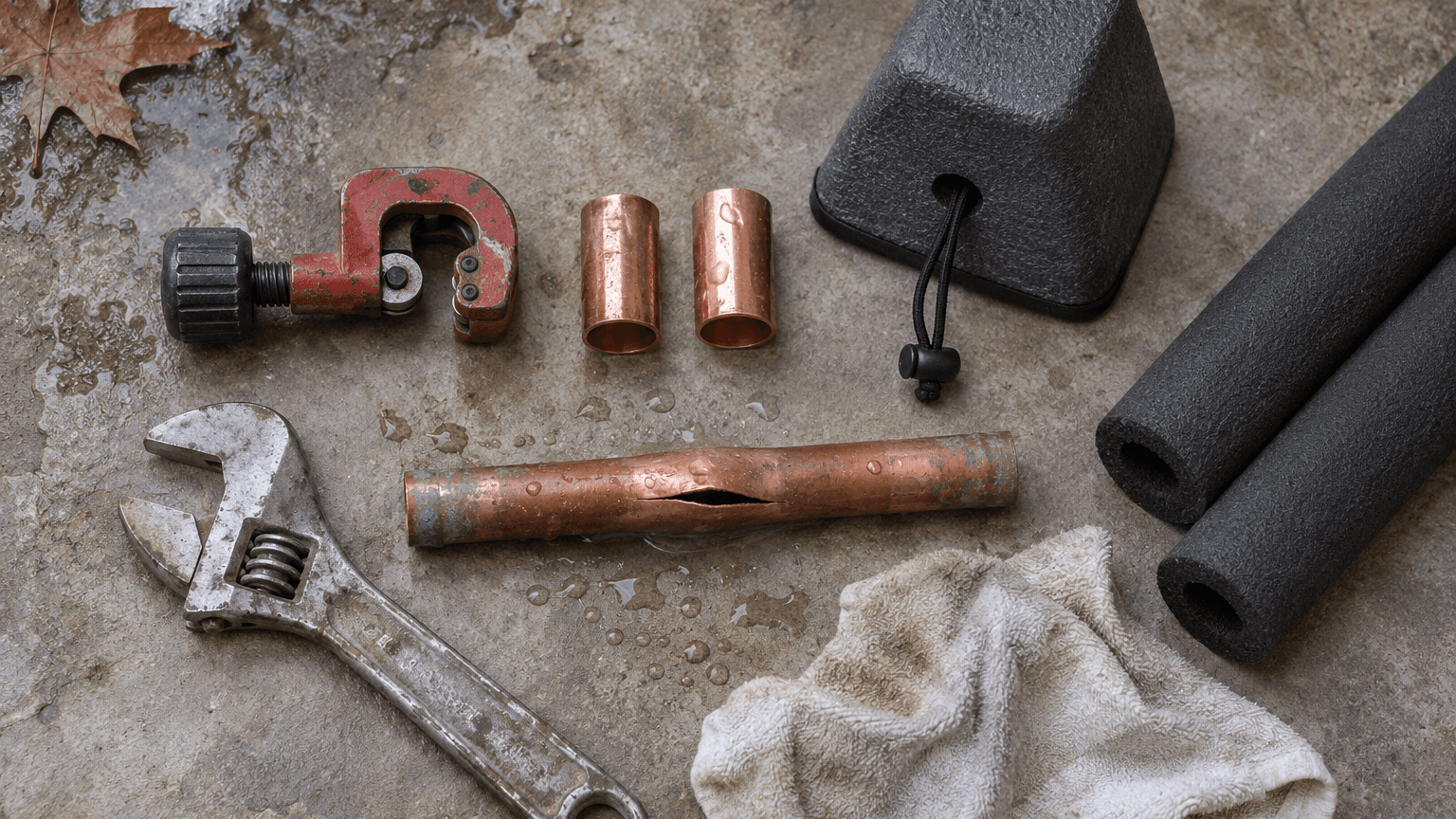
- Insulate exposed pipes in attics, crawl spaces, garages and exterior walls.
- On the coldest nights, open the cabinet doors under kitchen and bathroom sinks so warm air can reach the pipes.
- Let a faucet drip slowly overnight when a hard freeze is forecast. Moving water is harder to freeze.
- Keep the heat on if you leave town, set to a temperature that keeps the house above freezing.
- Find your main water shutoff now, not during an emergency, and make sure everyone in the house knows where it is.
If a pipe does burst
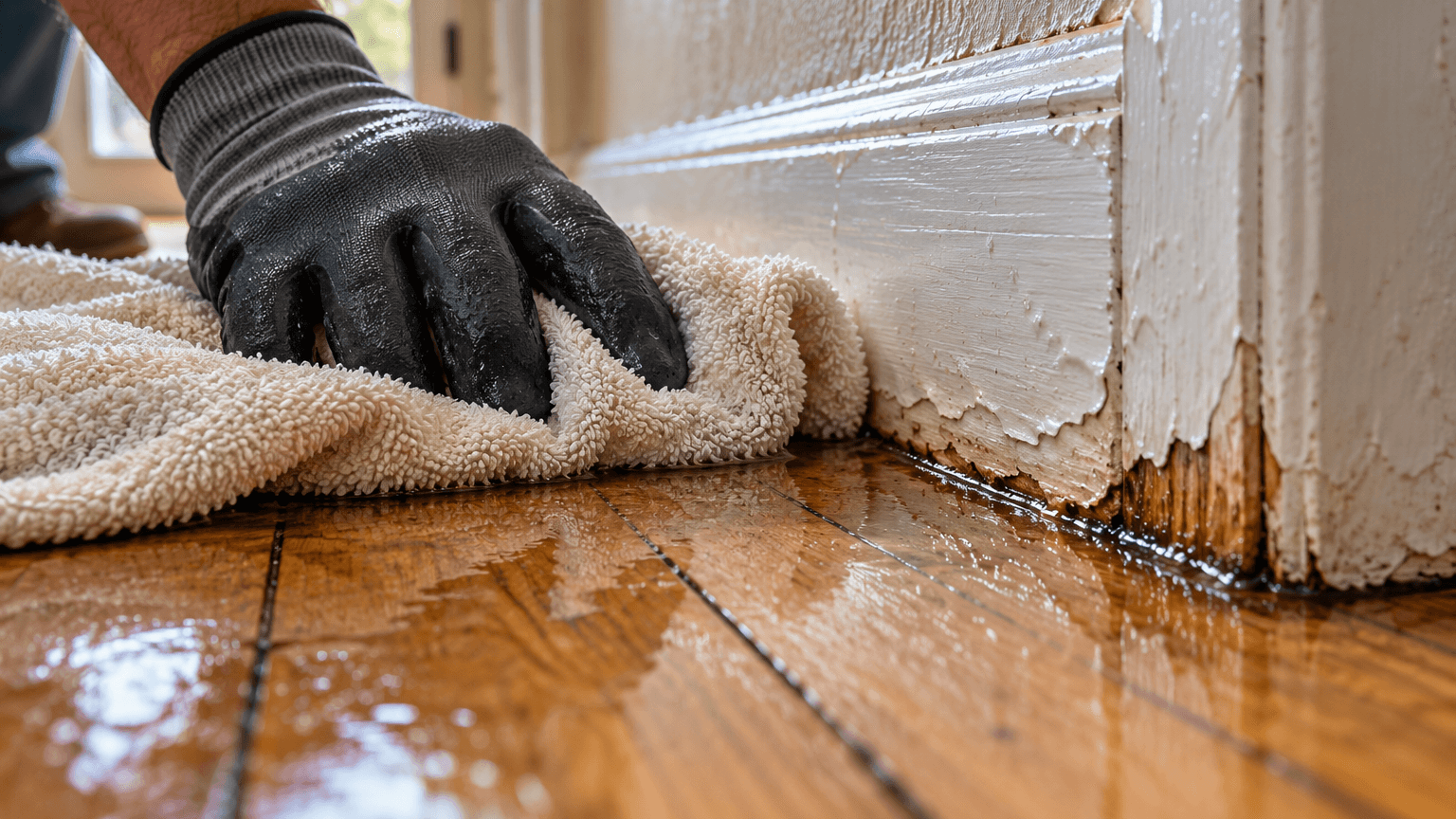
Shut off the water at the main valve first. If water is near outlets, appliances or the electrical panel, stay out and keep clear of it. Take photos and video of the damage before you move or clean anything, and keep damaged items until you have talked with your insurer. Then call your insurance company to open a claim, and call a plumber to stop the leak and repair the pipe.
Do not try to thaw a frozen pipe with an open flame. If a pipe is frozen but has not burst, opening the faucet and warming the area gently, with a hair dryer for example, is safer.
Read it before the cold arrives
The best time to learn what your policy says about freezes is a calm afternoon in November, not the morning a hallway is underwater. Pull out your policy and look for the sections on water damage, vacant or unoccupied homes, and your deductible. Write down anything you do not understand.
Then bring those questions to your agent. As an independent agency, Westerholm Koehler Insurance in Seguin can look at your policy with you and explain the wording in plain terms. Our claims page also walks through what to do after a home loss: How to handle a claim.
Your policy and your agent give the real answer to whether a frozen pipe is covered. Our job is to help you ask the right question early.
Have questions about how this applies to your coverage? Walk in, call, or start a quote — we'll shop 30+ carriers.